Ozempic Face Explained: What GLP-1 Weight Loss Does to Your Face
GLP-1 medications like Ozempic and Wegovy are changing the way people lose weight. For many patients, the results can be dramatic and life-changing. But alongside the benefits of rapid weight loss, more people are noticing changes in their facial appearance, commonly referred to as “Ozempic face.”
At Skin & Tonic, patients are increasingly asking why their face suddenly looks older, more tired, or less defined after losing weight. The reality is that significant weight loss can impact facial structure just as much as it impacts the body.

What Is “Ozempic Face”?
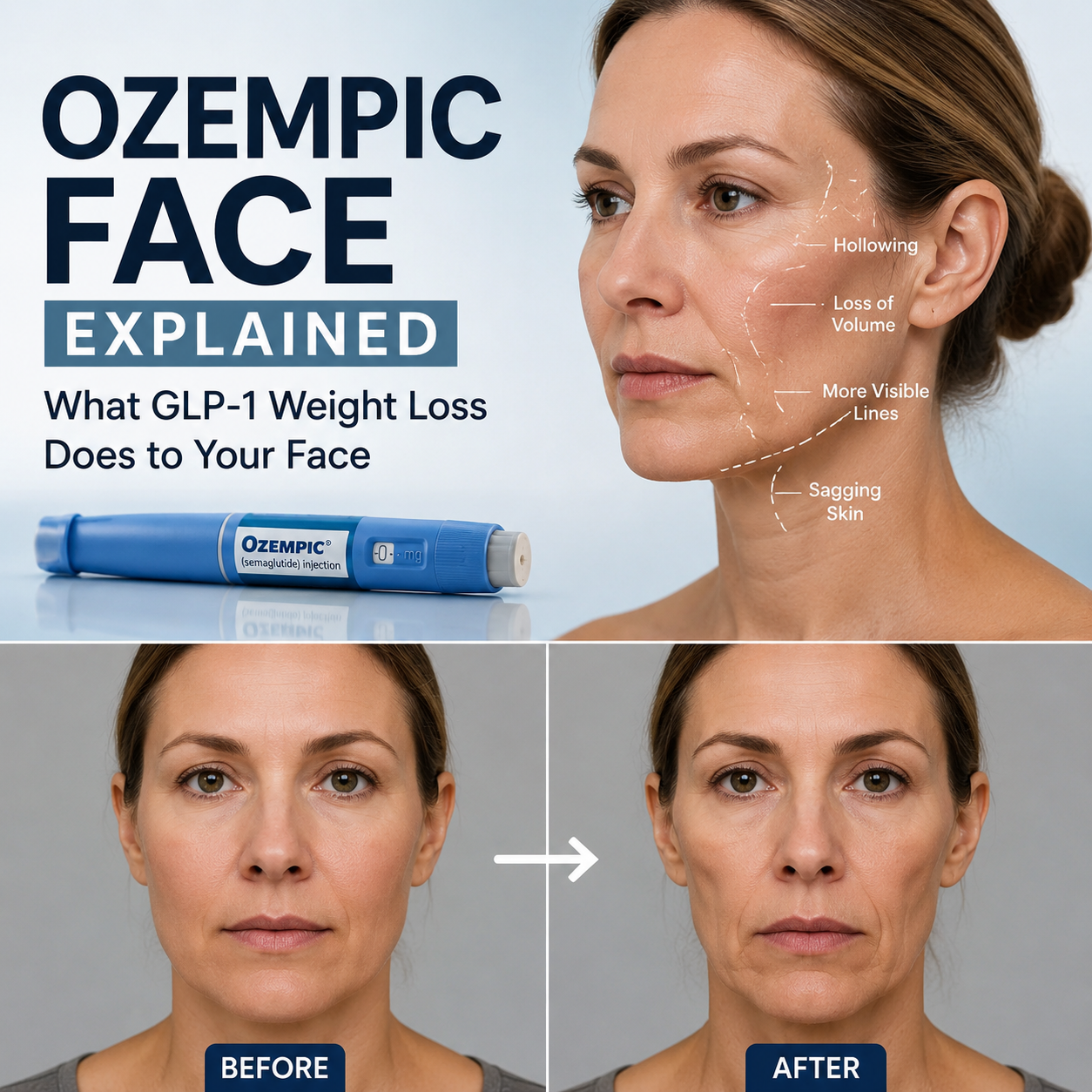
“Ozempic face” is a non-medical term used to describe facial volume loss and skin laxity that can occur after rapid or significant weight loss associated with GLP-1 medications like Ozempic or Wegovy.
While these changes are not exclusive to GLP-1 medications, the speed of weight loss often makes them more noticeable. Patients may experience:
• Hollowing in the cheeks or temples
• Increased sagging around the jawline
• More prominent folds around the mouth
• Loose or crepey skin
• A generally more fatigued or aged appearance
The face naturally contains superficial fat pads that provide youthful structure and contour. When weight loss happens quickly, these fat pads shrink, sometimes faster than the skin can adapt.
As Dr. Croley often teaches, “Clinical outcomes matter, but so does preserving balance and harmony.” Sustainable aesthetic care is not just about weight reduction. It is about helping patients maintain healthy, natural-looking results.
Why Does It Happen?
Several factors contribute to GLP-1 facial aging and visible weight loss face changes:
Loss of Facial Fat Volume
Facial fat provides structural support and softness. Rapid weight loss can reduce these fat compartments, especially in the midface.
Decreased Skin Elasticity
As we age, collagen and elastin production naturally decline. When volume decreases quickly, the skin may not retract as effectively.
Reduced Structural Support
Bone density, muscle tone, and connective tissue also influence facial appearance. Weight loss can make age-related structural changes more visible. The face is often one of the first places where these changes become noticeable.
Is Ozempic Face Different From Normal Aging?
Yes, in many cases it is.
Traditional aging happens gradually over years. Facial changes related to GLP-1 weight loss can develop over a much shorter period of time, especially when patients lose a substantial amount of weight rapidly.
The most commonly affected areas include:
• Midface volume
• Jawline definition
• Nasolabial folds
• Skin texture and laxity
That speed of change is why many patients feel like they “suddenly aged overnight,” even when the underlying cause is volume loss rather than chronological aging alone.
What Treatments Can Help?
Treatment depends on the individual patient, anatomy, and goals. A customized consultation is essential.
Common options may include:
Hyaluronic Acid Fillers
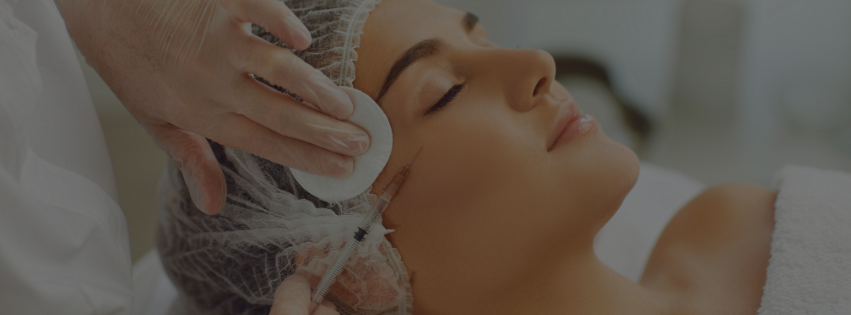
Fillers can restore lost volume in areas like the cheeks, temples, and jawline while maintaining natural facial proportions.
Biostimulatory Treatments
Biostimulatory agents such as Sculptra and hyperdilute Radiesse work differently than traditional fillers. Rather than simply adding volume, these collagen-stimulating injectables trigger the body’s own collagen production over time, gradually restoring structural support and improving skin quality and thickness in areas affected by GLP-1 related fat loss. For patients experiencing Ozempic face, Sculptra and hyperdilute Radiesse are often used to rebuild a more natural, long-lasting foundation rather than a temporary fix.
Energy-Based Skin Tightening
Radiofrequency and ultrasound-based devices, including NoeGen and ManaSculpt, can help address mild to moderate skin laxity by stimulating collagen production and improving skin tightness without surgery.
Regenerative Aesthetic Treatments
Depending on the patient, treatments focused on skin quality and tissue health may also improve overall facial appearance.
At Skin & Tonic, the focus on regenerative wellness and performance optimization complements aesthetic treatments by supporting overall tissue health, recovery, and longevity.
The goal is not to make patients look “filled” or overdone. The best outcomes preserve natural facial movement and restore balance in a subtle, strategic way.